Property Wealth Collective
JaviKhanijau
Property developerProperty lawyerAuthorMentor for ten years
Your money should be working harder than it is.Javi Khanijau · Property developer and property lawyer

Your money should be working harder than it is.Javi Khanijau · Property developer and property lawyer
Javi Khanijau is a property developer and a property lawyer. He is the founder of the Property Wealth Collective and the author of The Property Pivot Protocol. What shaped his approach, in his own words, was “lived experience across four very different but deeply connected worlds”.
He trained and practised as a lawyer, specialising in property law. It taught him how risk is transferred rather than eliminated, and how contracts quietly decide outcomes long before problems appear.
He began as most sensible people do, with buy to let. Predictable income, modest leverage, everything done by the book. It taught him ownership, cash flow and responsibility.
Not construction, but value creation. Moving a property from where it is to where it should be, in a way that creates value disproportionate to the effort applied.
Advising on major capital projects internationally, where he learned what happens at scale. In his words: scale does not simplify problems, it amplifies them.
Very few people operate confidently across all four. Most stay in one lane. The Property Pivot Protocol exists at the intersection of all four.
Property development is rarely about finding a perfect property and following a perfect plan. The best opportunities come from seeing something others have missed, understanding a risk that frightened them away, or finding a solution when a project becomes difficult. Here are some of the ways we have created it, with real locations and real figures.
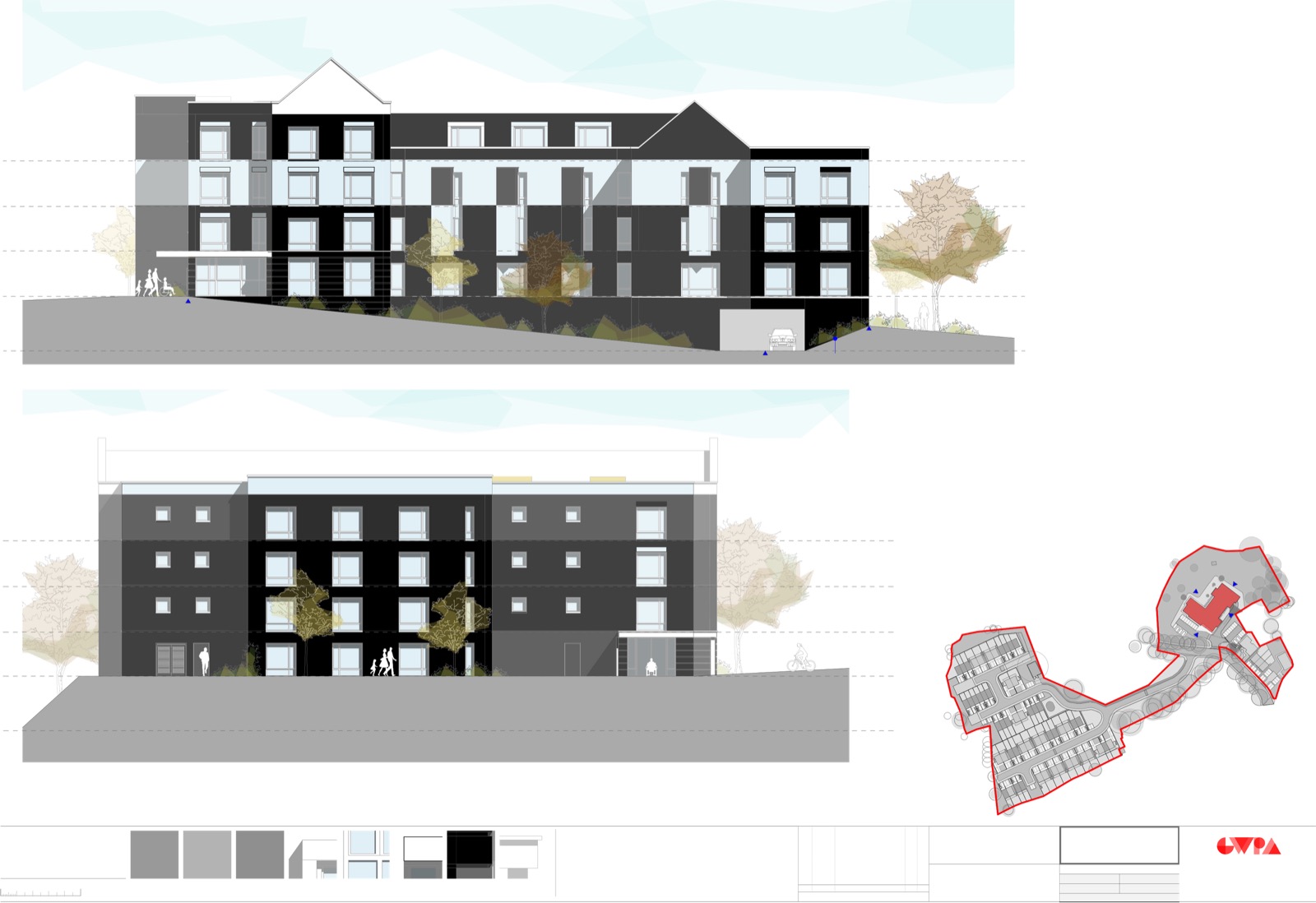
£162,500 of equity, and a scheme for seventy homes behind it.
Joint venture, disused industrial site, part disposal, planning
Purchase £650,000, of which £487,500 was senior debt at 75% loan to value. The planning uplift is an estimate of consented land value, and the scheme has not been built out. SDLT, finance, legal and professional costs are additional.
A disused industrial site with surplus development land, bought at £650,000. Seventy-five per cent came from senior debt, which left £162,500 of investor equity in the deal. The worry with land is always the same one: the money goes in, nothing comes out, and it sits there for years earning nothing while planning grinds on.
So the purchase was structured so that part of the site could be sold immediately. That sale returned around ninety per cent of the investor equity within six weeks, leaving roughly a tenth of the original money still exposed. What remained was the valuable part: land that went on to secure consent for seventy dwellings and a care home, with an estimated planning uplift of about £2 million and a gross development value of £3.4 million.
Land is usually the slowest, most capital-hungry thing in property. It does not have to be. If you structure the purchase so that a part disposal can happen early, you can return most of the money before the long part of the project even begins.
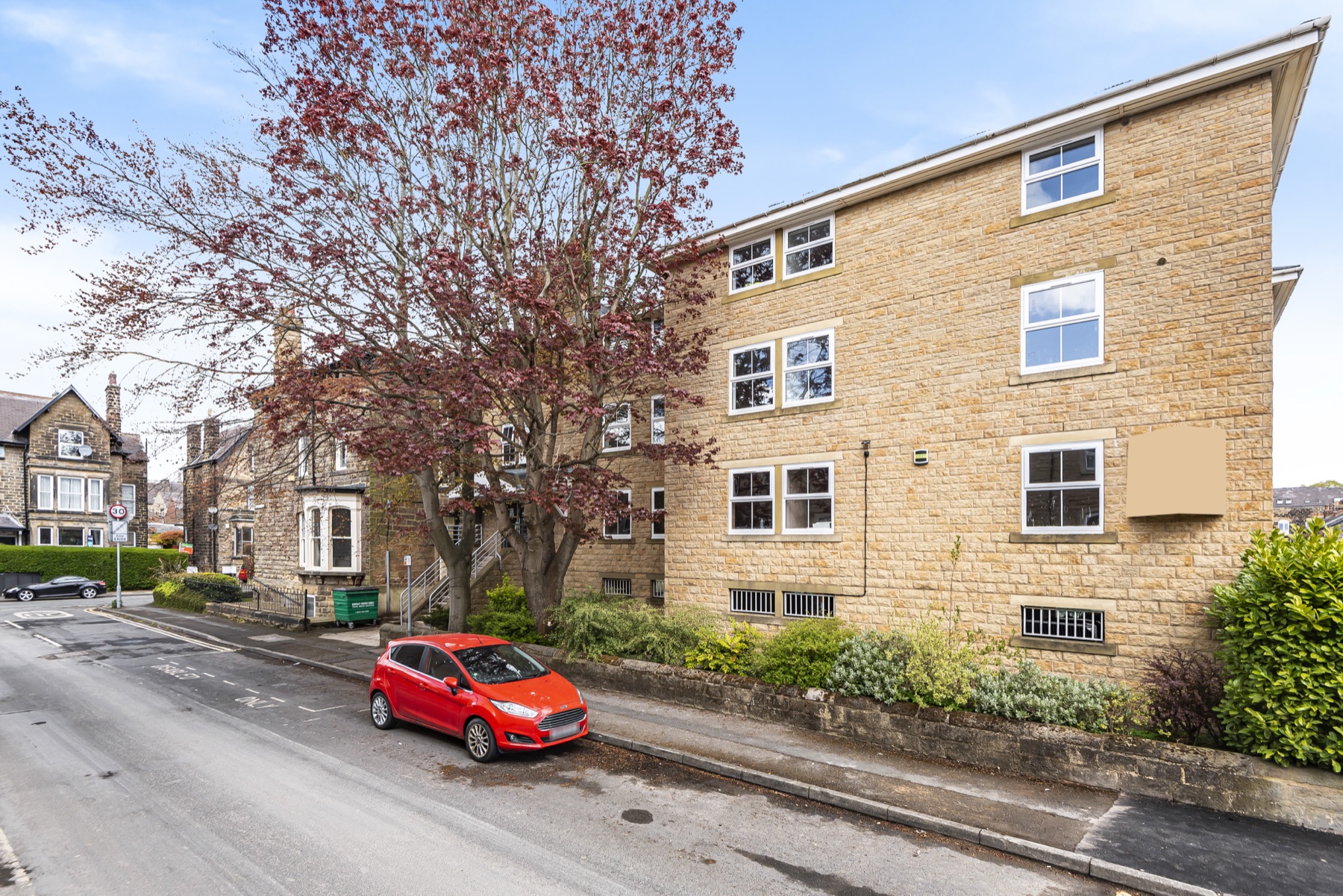
Twenty apartments out of a building that was already there.
Permitted development, office to residential conversion
Purchase and conversion costs. SDLT, finance, legal, professional and holding costs are additional and are reflected in the profit on this scheme, which was £600,000.
A stone-built office building in Leeds, bought at £1,200,000. Under permitted development rights the existing structure could be converted to residential without going through a full planning application, which removes both the cost and the uncertainty of a planning fight before a single wall is touched.
The conversion cost £700,000 and produced twenty apartments with a gross development value of £2.5 million, delivered in under twelve months. The building itself was never the constraint. Knowing what the rules allowed it to become was.
Permitted development is the difference between a scheme that takes a year and one that takes three. The skill is not the conversion, it is recognising which buildings the rules already allow you to change.
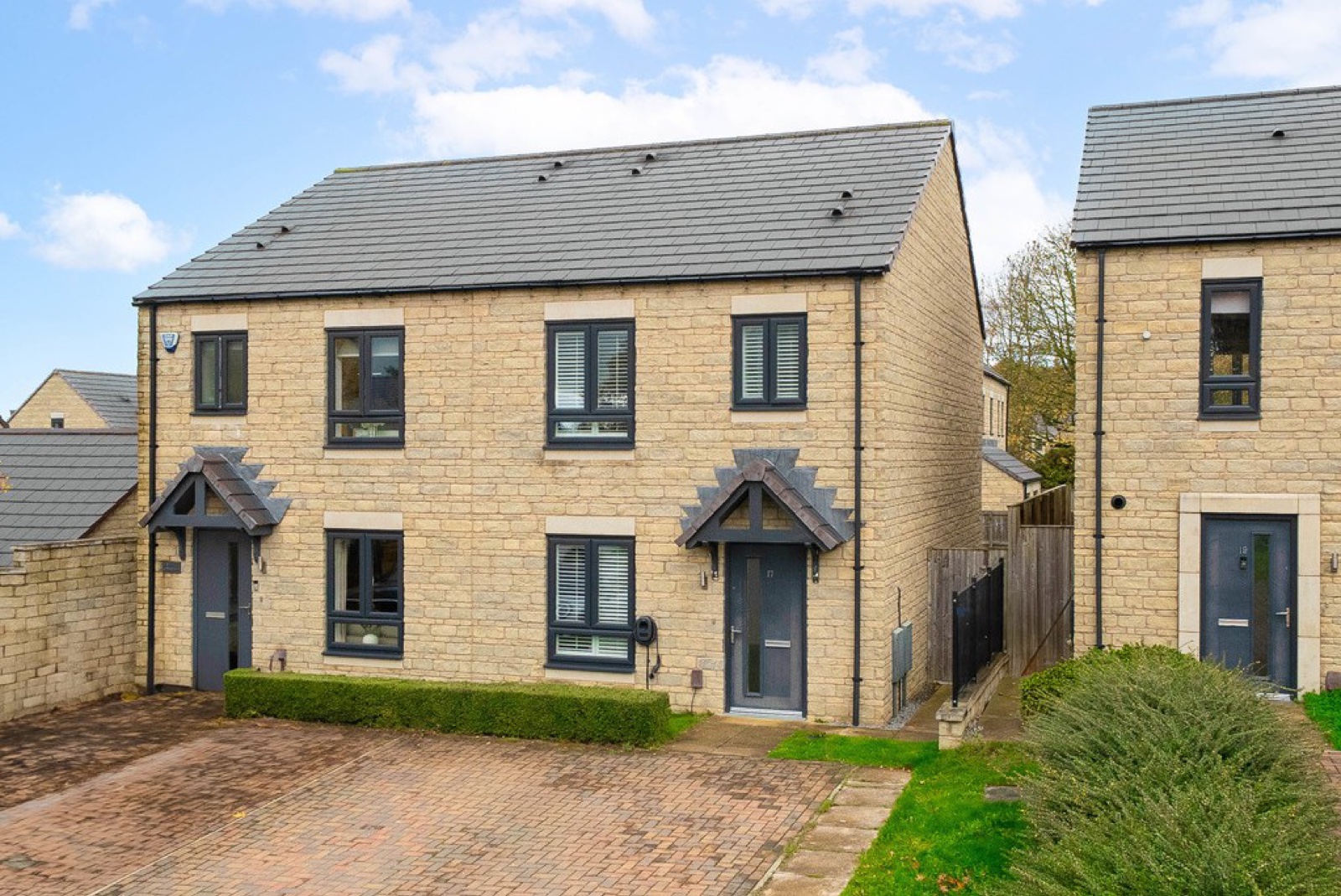

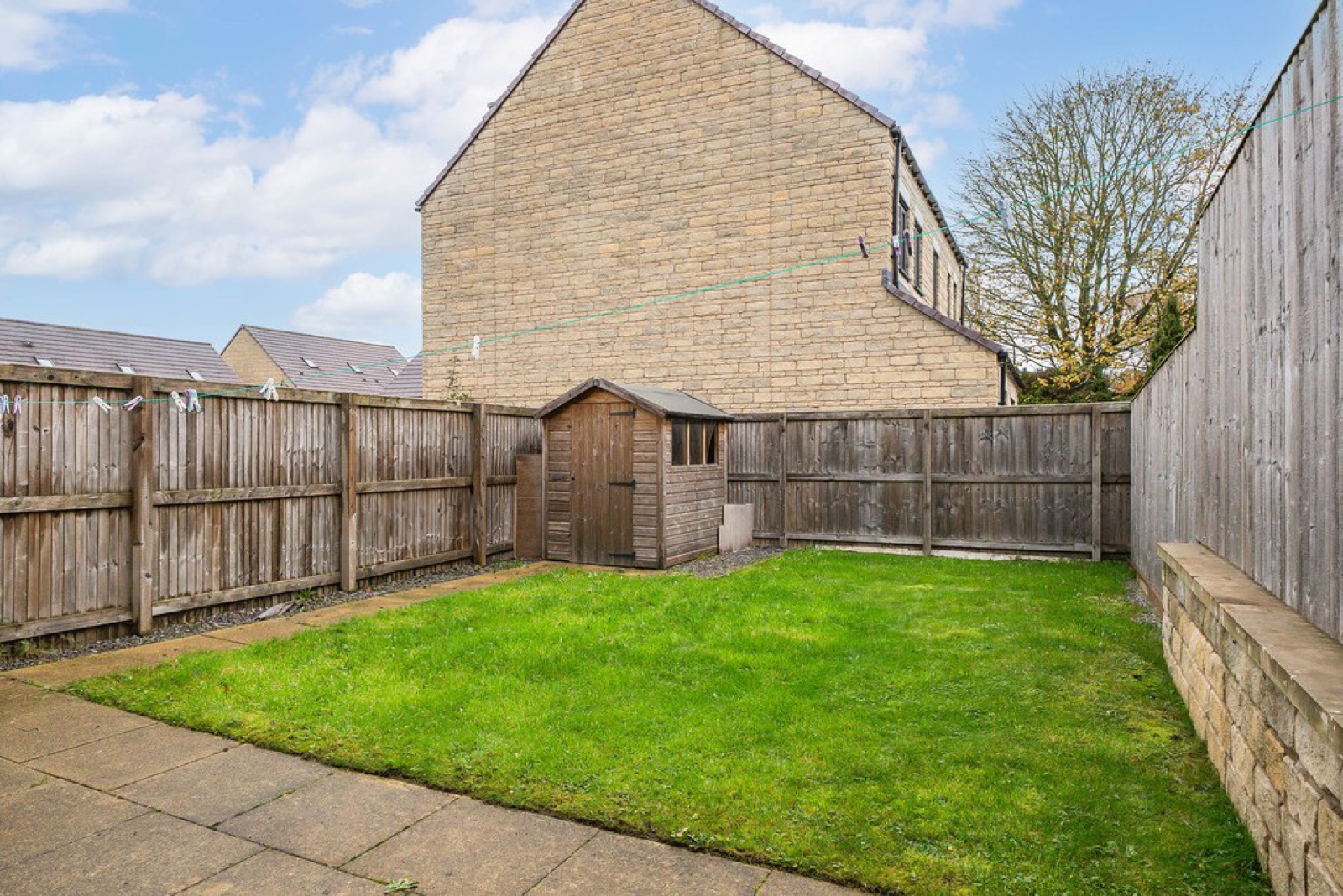
Creating significant equity in five months.
Below market value acquisition, light works, refinance
Purchase price paid. SDLT, finance, legal, professional and holding costs are additional.
Similar properties on this established Harrogate development were achieving values in the mid to high £300,000s. Through contacts and relationships we became aware of one available substantially below its underlying market value.
It did not need a £100,000 refurbishment programme. We spent only a few thousand pounds. The real value had already been created at the point of purchase. Five months later it refinanced at £375,000, and that valuation was not theoretical: the neighbouring property sold at approximately the same figure.
You do not always create property profit with a building team. Sometimes you create it when you buy. Recognising genuine value and moving when the opportunity appears can matter every bit as much as development expertise.
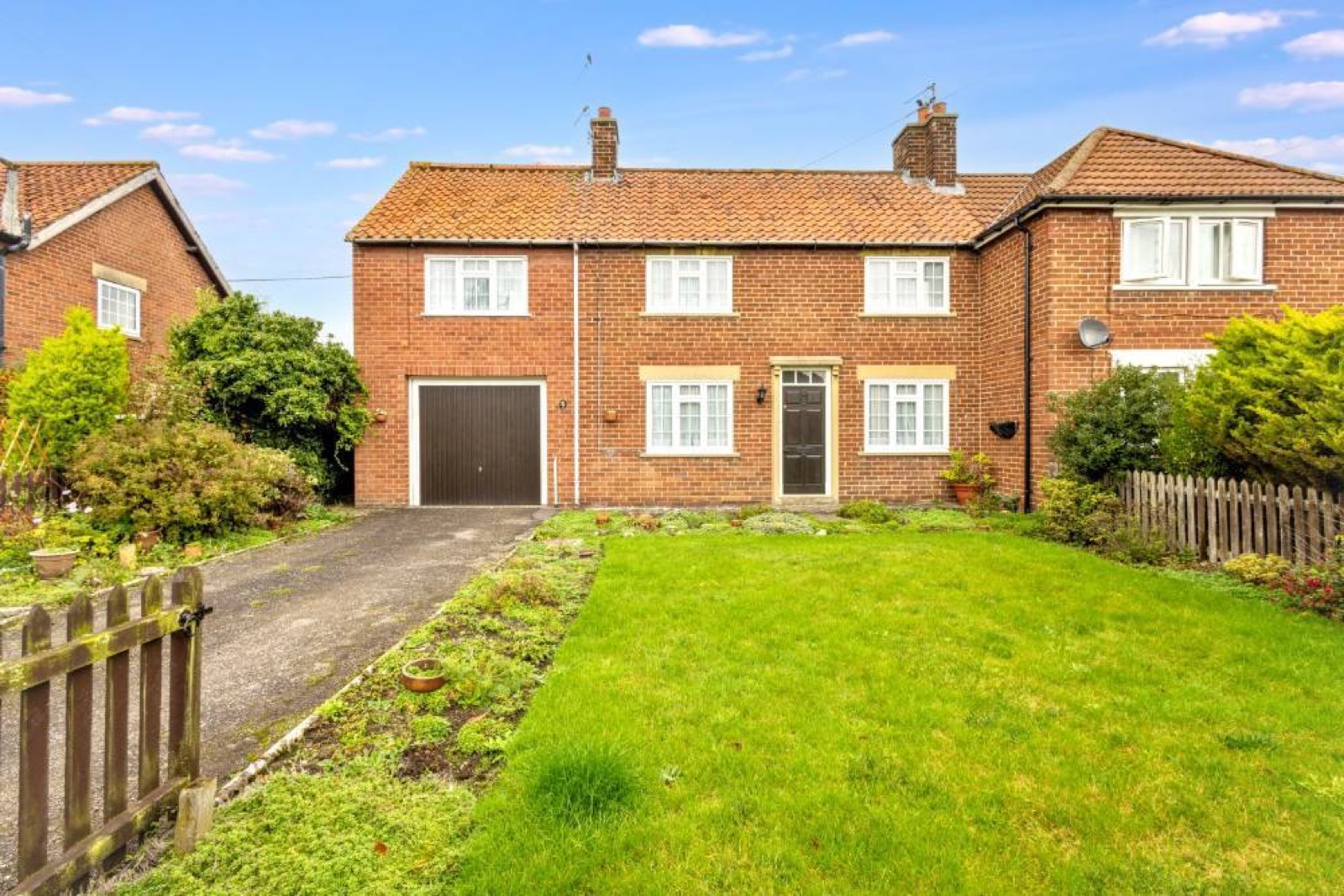
Buy well. Improve intelligently. Then keep the asset working.
Below market value acquisition, refurbishment, short-term accommodation
Purchase plus refurbishment. SDLT, finance, legal, professional and holding costs are additional.
Helmsley is one of North Yorkshire's most desirable market towns, with an exceptionally strong visitor economy. Rather than asking only whether we could buy, refurbish and sell at a profit, we looked at it from two angles at once: could we create equity, and could we then retain the property as a long-term income producing asset?
We bought at £210,000 and invested roughly £30,000 improving it, for a basic project cost of about £240,000 before SDLT, finance, legal and holding costs. It valued at £300,000. Instead of selling, we retained it and moved it into the short-term accommodation market, where it now trades strongly.
A successful deal does not have to end with a sale. Acquire below value, improve, create equity, retain the asset, generate recurring income. That is how a development project becomes a long-term wealth building asset.
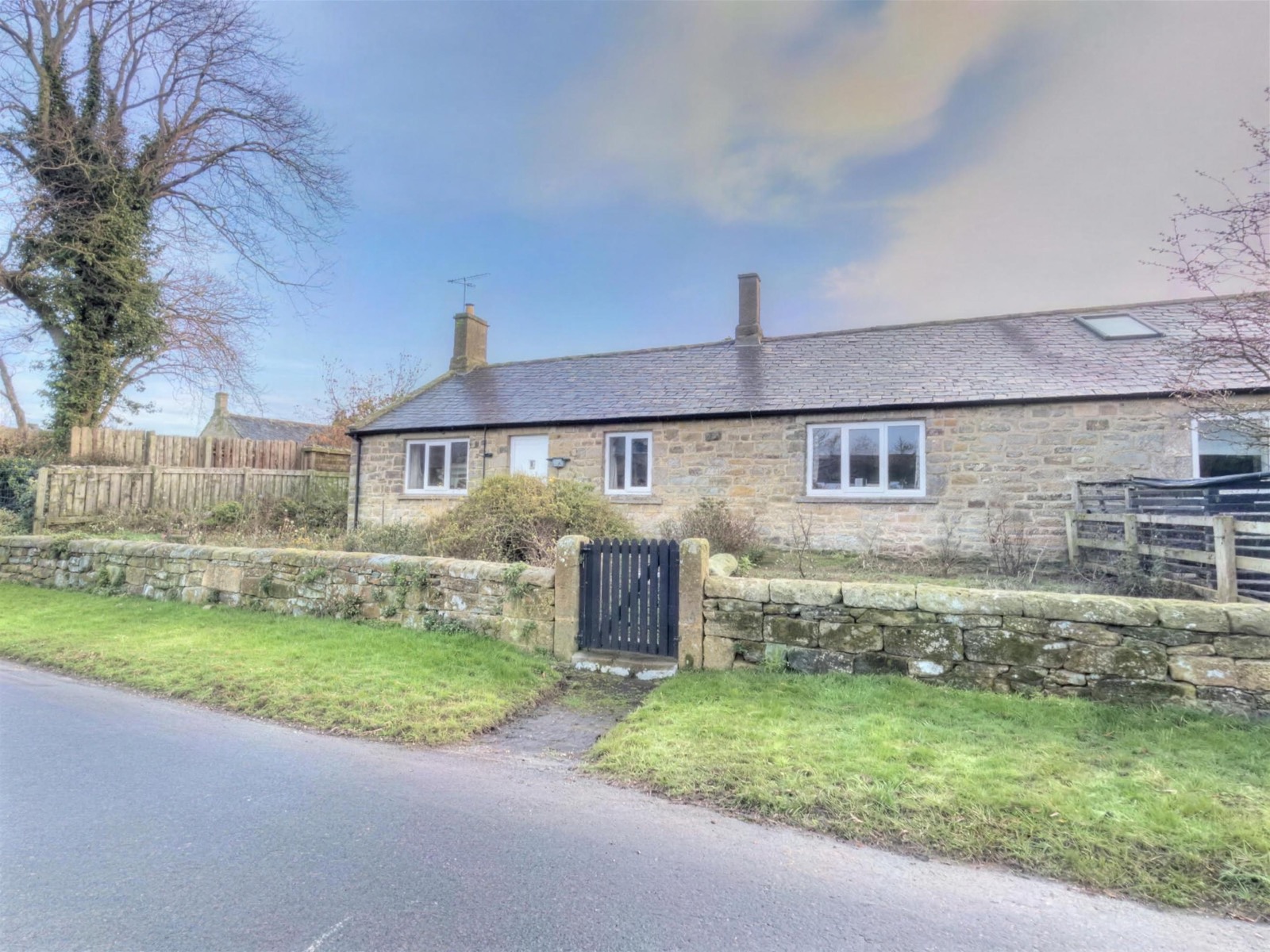
The problem everyone else saw was the opportunity we saw.
Problem acquisition, legal expertise, title resolution
Purchase price paid. SDLT, finance, legal, professional and holding costs are additional.
A bungalow came to market with what was perceived to be a problem with its legal title. That perception mattered. Buyers were concerned, interest was limited, and an otherwise attractive property became considerably harder to sell because the market did not understand the legal risk.
To most investors a title problem means walk away. Because this business combines property experience with specialist legal expertise, we could look past the headline problem, assess what was actually required, and buy at £280,000. We then resolved the title at minimal cost. Removing the legal problem alone created approximately £100,000 of value, with no major development programme required.
The market discounts uncertainty more heavily than it discounts cost. If you have the expertise to understand and remove that uncertainty, the problem itself becomes the opportunity. This was not a refurbishment play. It was knowledge arbitrage.
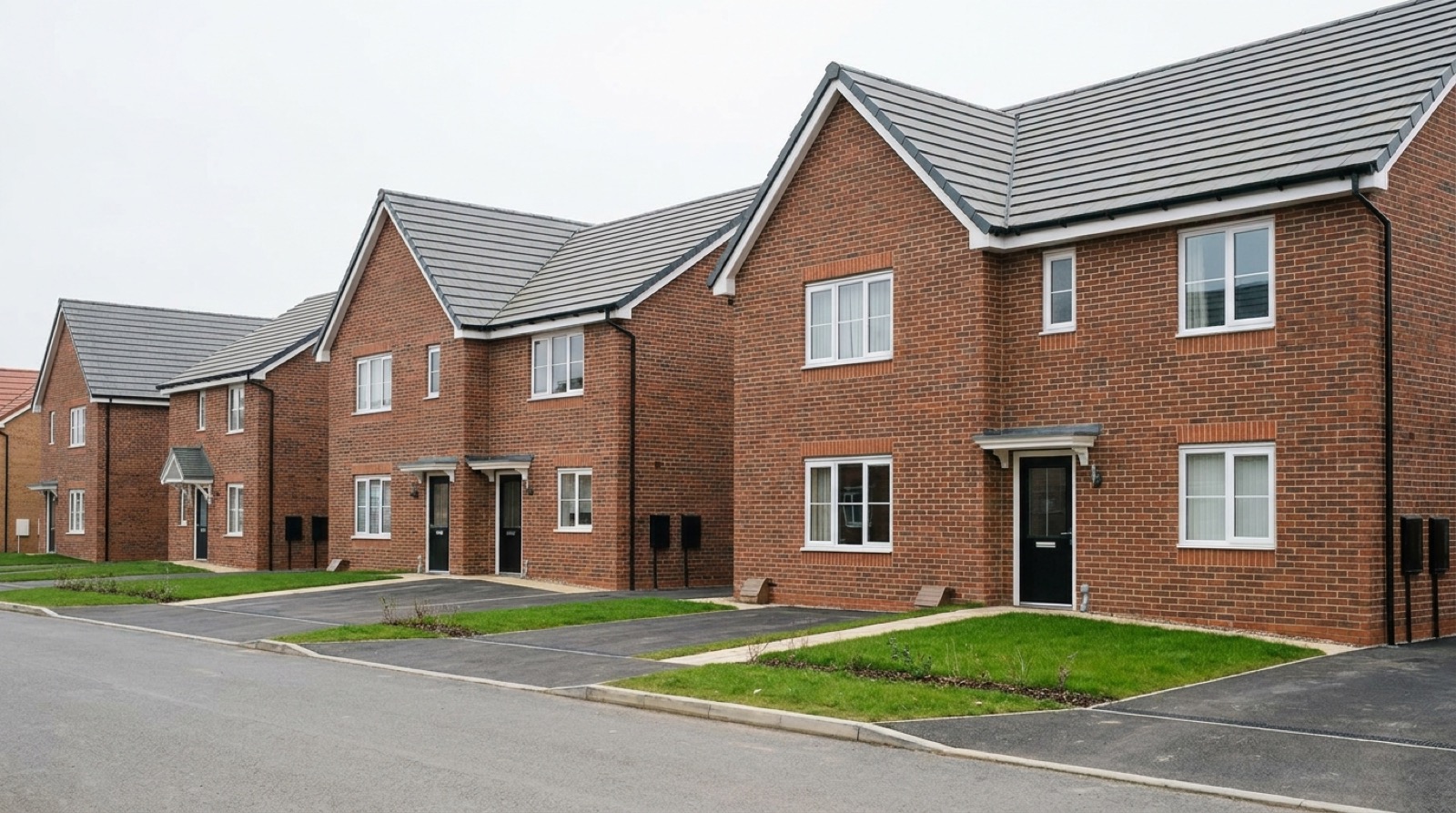
Delivering through a period of exceptional construction inflation.
Joint venture, new build development, institutional purchaser
Project value is gross development value. The profit figure is stated after build and associated costs.
We entered a joint venture with a building contractor to deliver eighteen semi-detached houses for a housing association. An institutional purchaser gave a strong exit route, but the project coincided with an extremely difficult period for construction. Material prices rose, labour costs rose, supply chains tightened, and margins that looked comfortable at the outset came under real pressure.
Simply absorbing those increases would have hit profitability hard. Rather than accept that, we went back to the housing association and negotiated increases in the price paid for the completed homes, offsetting much of the exceptional build cost inflation.
The original appraisal gets you into a development. Commercial management gets you out of it profitably. Development is not just finding deals and managing builders. It is contracts, negotiation, risk allocation and commercial judgement.
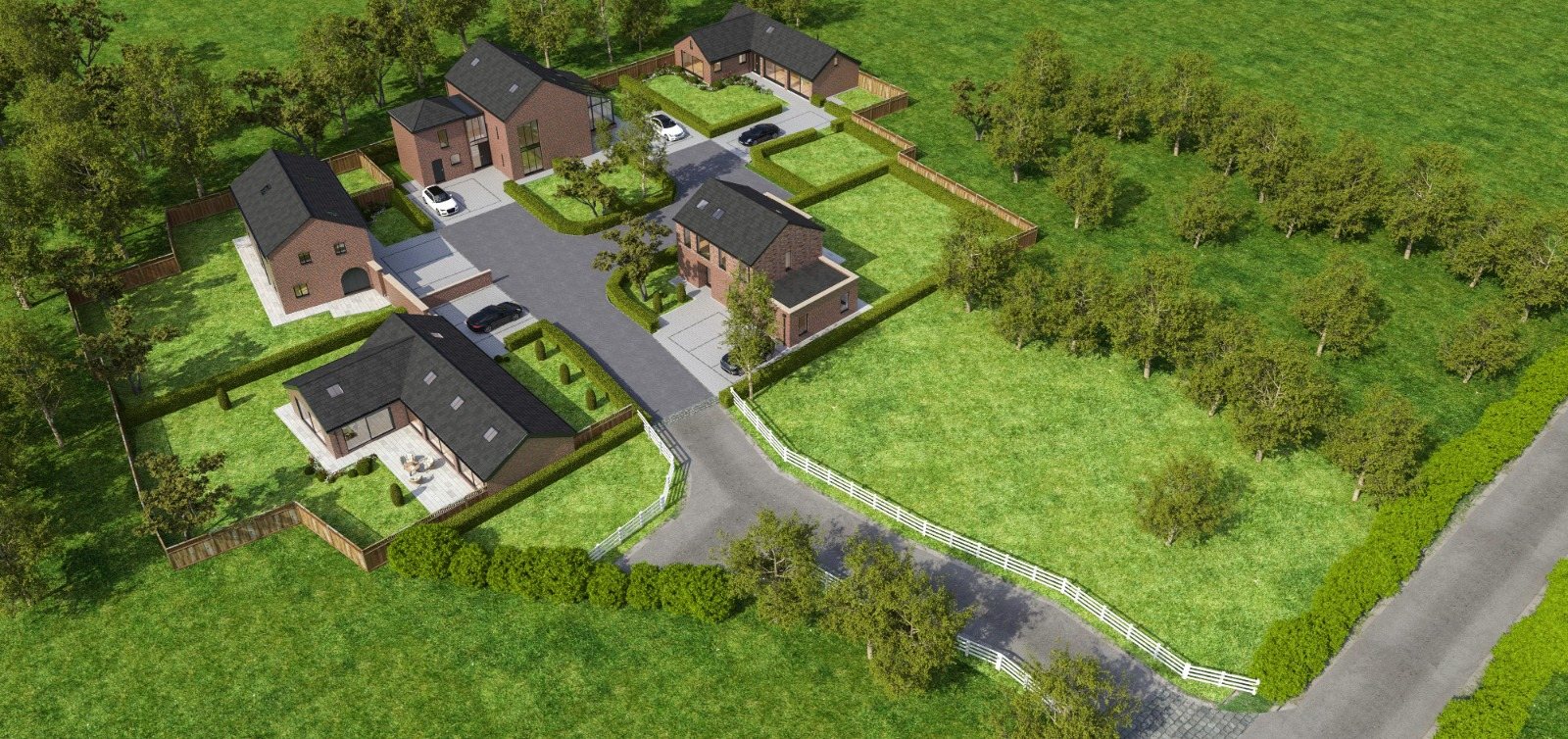
Managing complexity to deliver a £3 million development.
Acquisition, conversion, six residential properties
Land acquisition price. Build, finance, professional and holding costs are additional and are reflected in the profit figure.
We acquired a site containing existing buildings with the potential to create six individual barn conversions, at £700,000. The opportunity was substantial and so was the execution risk. Multi-unit conversion involves planning, construction, existing structures, utilities, finance, programme, contractors, professional teams and eventual sales, all of which have to come together.
When you are working with existing buildings rather than a clean site, there are inevitably surprises. There were plenty of points where this could have gone wrong. The key was not expecting everything to go perfectly, it was having the experience to manage problems as they arose without letting any one of them derail the development.
Development is not about avoiding every problem, which is impossible. It is about identifying risk, protecting the margin, and solving problems quickly enough to keep the project moving.
Money has been made here by buying well, refurbishing, developing, solving legal problems, structuring joint ventures, refinancing, retaining assets and negotiating through difficult projects. Just as importantly, these are projects where things did not always go to plan. That is the experience behind the Property Wealth Collective: pattern recognition built by actually doing the deals.
The projects above are Javi’s own. These are not. Each one below is a deal a member found or was weighing up, where Javi advised, structured the purchase, sourced the funding or shaped the exit. They range from a first-timer with a garden plot to an experienced developer taking on a landmark mill.
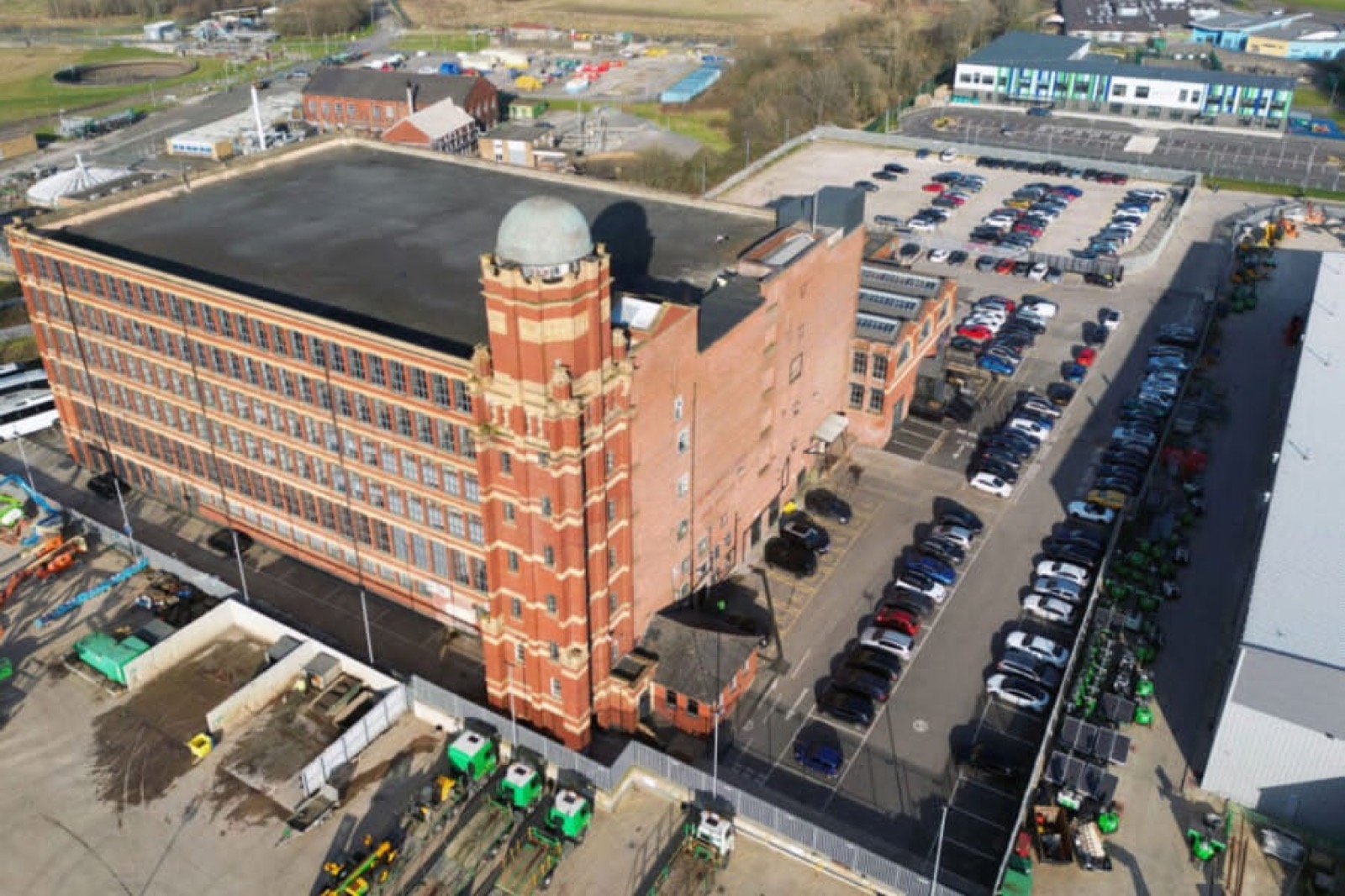
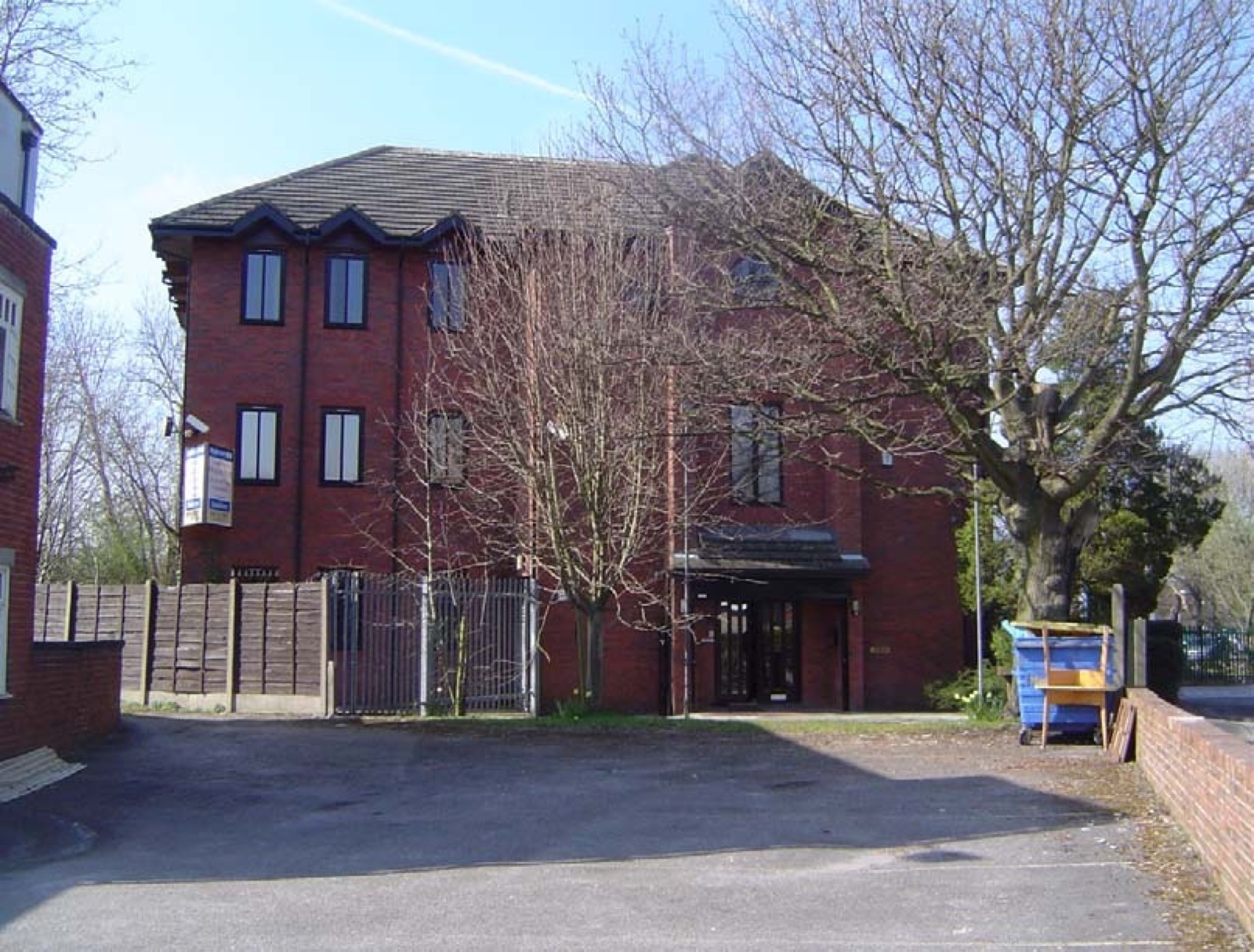
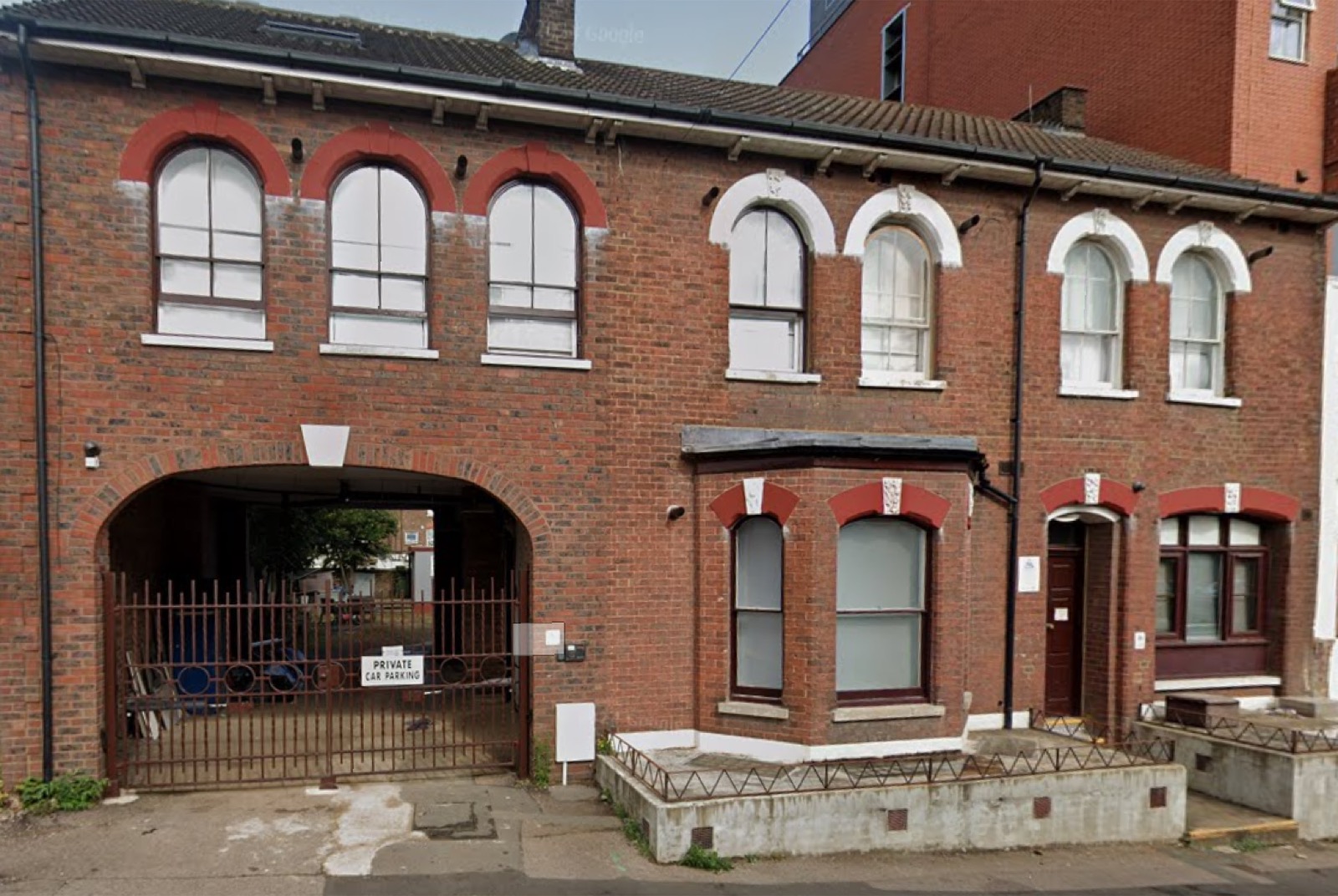
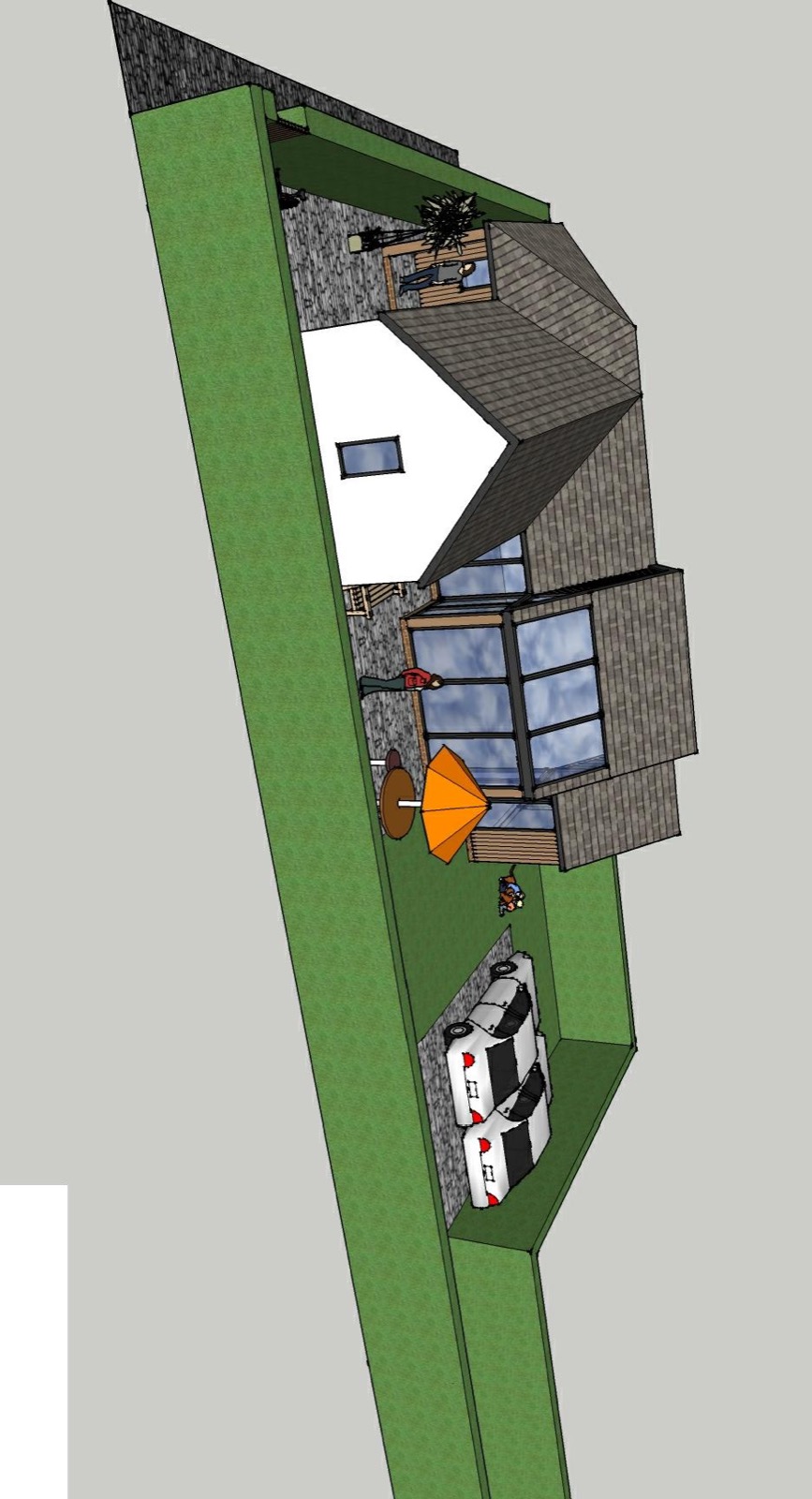
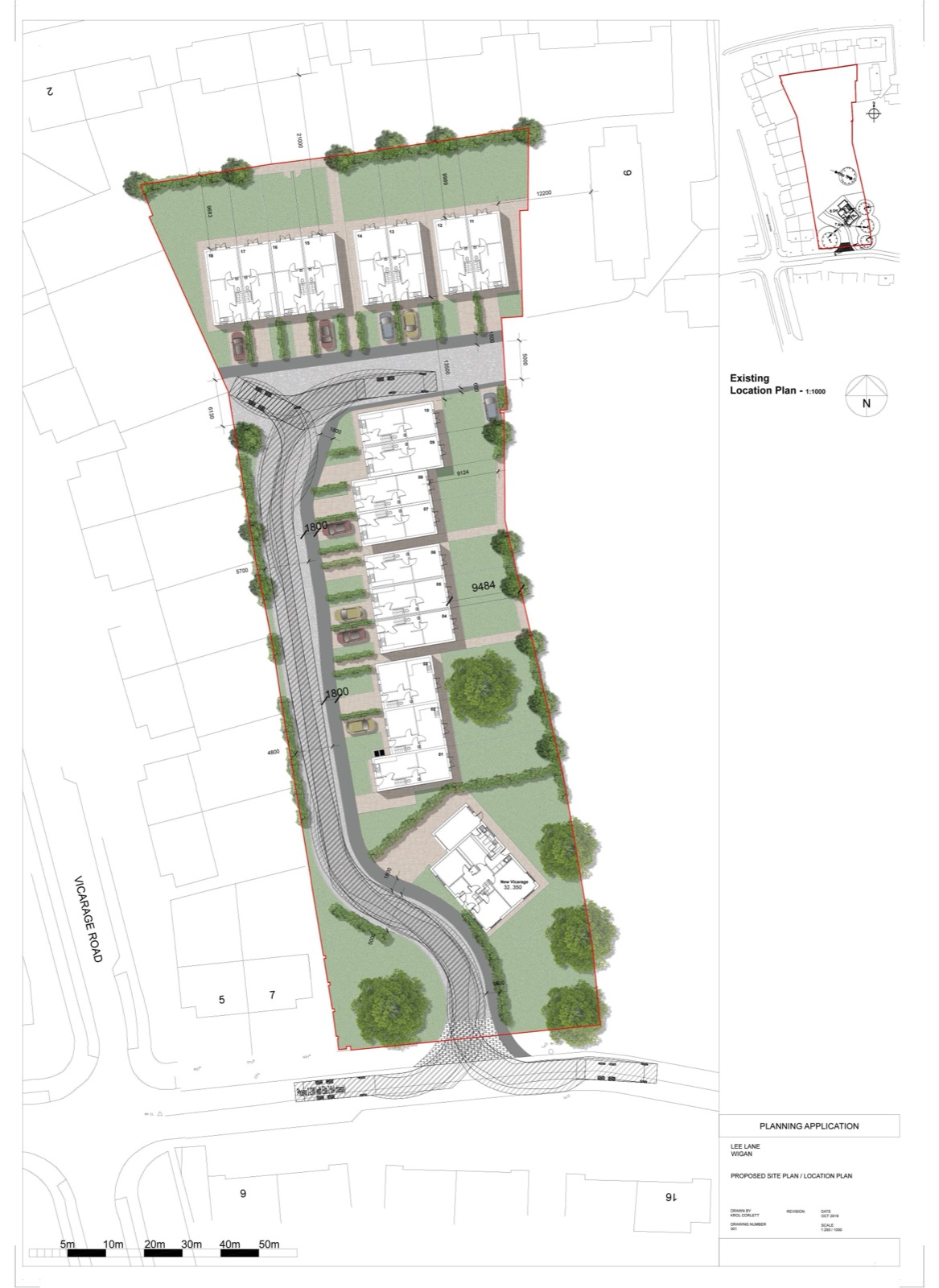
Not aggregate statistics and not average results. Named members who built specific projects under the framework.
Planning uplift. Found a plot, secured planning permission for six apartments, then sold the land with the planning attached. No construction risk.
“I would not have known how to spot this deal on my own.”Matthew Couch
Thirteen detached dwellings. Land acquisition, planning, build and exit. End to end development executed under mentorship.
“The framework was the difference between a deal and a disaster.”Andrew Westcott
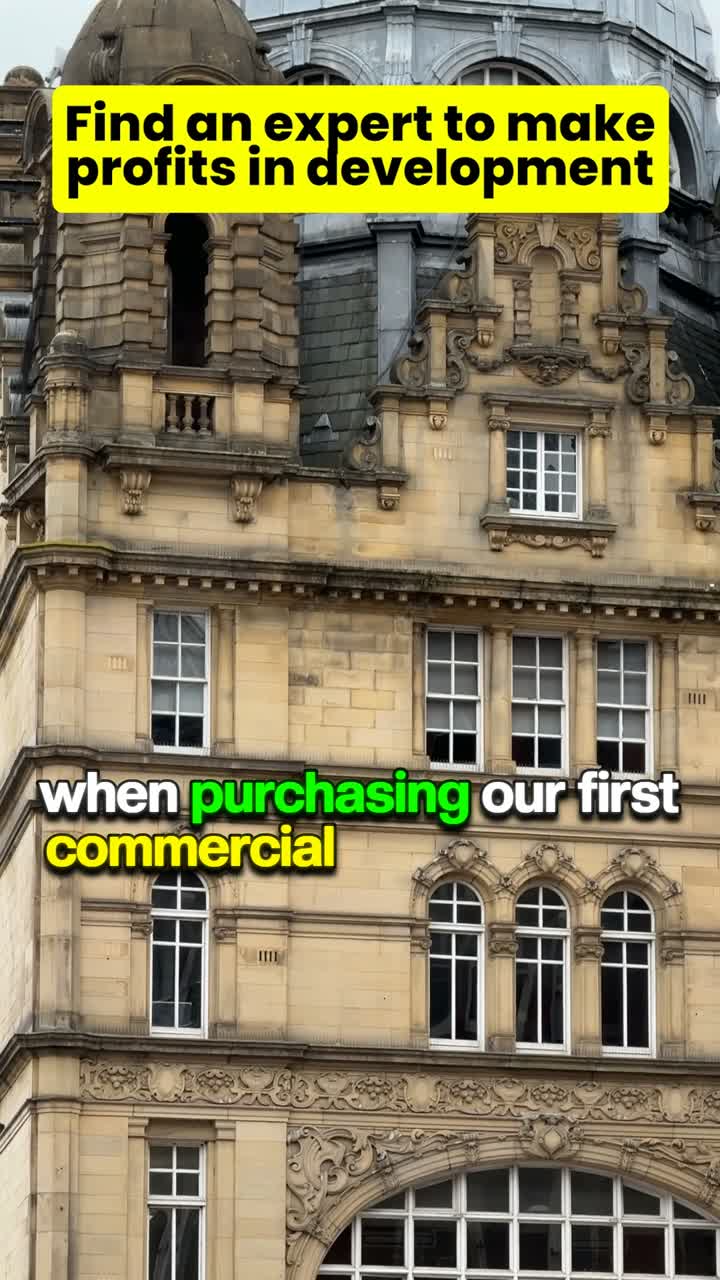
Permitted development conversion. Existing structure repositioned, value extracted, exit optimised inside a year.
“This isn't theory. This is the room he was in for every key decision.”Dhav Popat
“Real money. Real decisions. No fluff.”
 Kim£310K, first-time developer
“A solicitor who actually develops. That's the difference.”
 Gary£180K, 9-month conversion
“He'll tell you when a deal is wrong. That's worth the fee alone.”
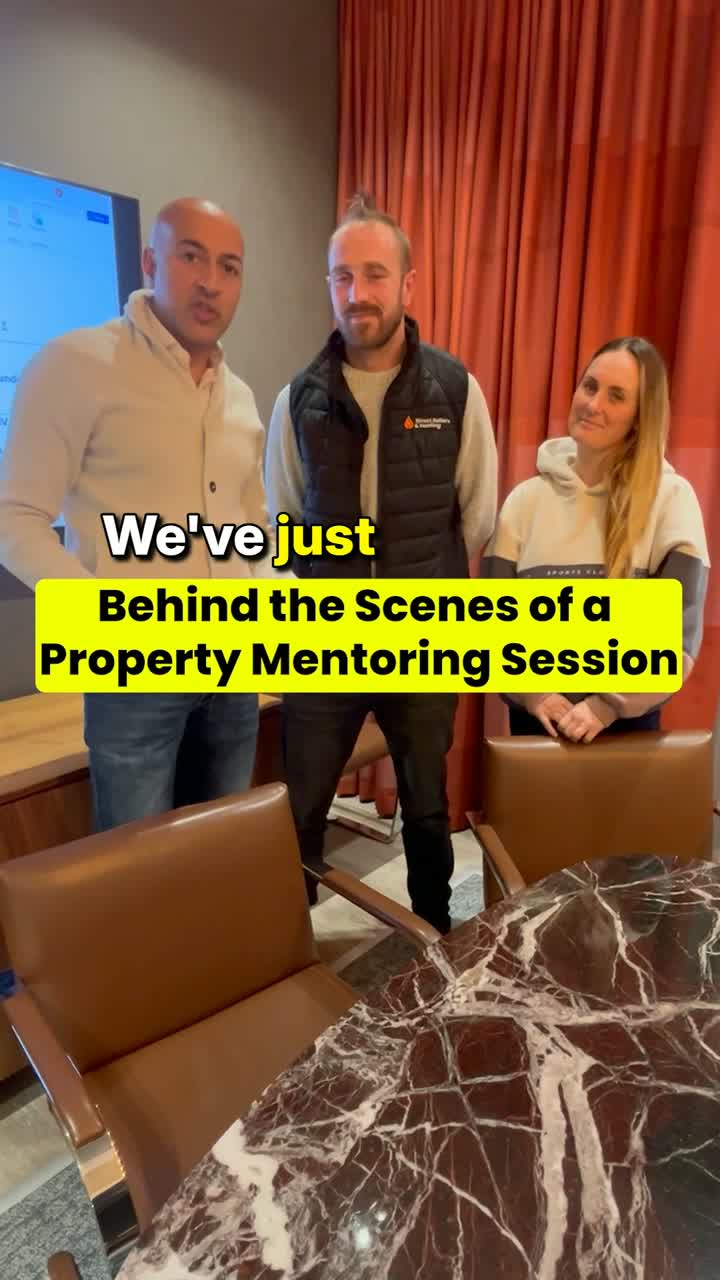 Robbie & Crystal£540K, joint venture, 8 months
He tells this story himself in the opening chapters of his book. Every passage below is his own wording.
His first job was on an ice cream van during school holidays. Long days, no proper breaks, and a lesson that arrived early.
“It was honest work, and I am glad I did it. But it taught me something very early. Time only produces money when you are physically present. If you stop working, the income stops. Completely.”
He walked into a newsagent one Sunday for what he thought was the Sunday Times, and was handed the full paper instead.
“I took it home and over the course of the week, I read every single section. Front to back. Slowly. Properly. While others were switching off, I was tuning in.”
He studied economics, and it led him somewhere specific.
“Understanding systems is powerful, but systems are enforced through rules. That realisation is what drew me into law.”
He qualified into property law, acting for developers and large property owners. The work was demanding. The pattern was hard to unsee.
“The people on the other end of the phone were often calling from somewhere far more pleasant than the office. Weekend breaks. Holiday homes. Golf courses. It was not resentment. It was recognition. I could see very clearly who the system ultimately rewarded.”
He started buying property while still practising. Carefully, and deliberately by the book.
“I was not trying to be clever. I was trying to be correct.”
The early portfolio worked. It also revealed its own ceiling.
“Because the real danger in property is not failure. It is mistaking activity for progress.”
The answer was not to leave property. It was to change how he operated inside it. That decision gives the book its name.
“Not abandon property. But pivot within it.”
Development was not a confident leap. He describes it plainly.
“Development did not arrive with confidence. It arrived with discomfort. Development was not chaos. It was coordination. And once you understand the system, the fear begins to fall away.”
On his first fully controlled development he was no longer advising from the sidelines. He was responsible.
“That first project did not make headlines. It did not redefine a skyline. But it confirmed something fundamental. When you control the system, you control the outcome.”
Where it started, why he left a legal career behind to own the assets instead, and why he named it the Property Wealth Collective.
Six stages, always applied in the same order. Each one exists to eliminate a specific category of risk. In his words, it is “not a theory, not a checklist pulled together after the fact”, but a framework shaped by real projects, real pressure and real consequences.
Deciding what you are trying to achieve before you ever look at a property. It forces clarity on scale, risk, time, capital, and exit. With strategy, deals either fit or they do not.
Prevents you from chasing deals that do not serve your objectives.
Not about volume. About access. Good opportunities rarely announce themselves publicly. They appear through relationships, reputation, and understanding where inefficiency exists.
Ensures you see opportunity before it becomes competitive.
Where feasibility, planning risk, cost, margin and downside are assessed honestly. It also means knowing when to walk away, even when a deal looks exciting.
Protects you from margin erosion and planning risk.
Good deals are won on structure, not price. Effective negotiation, funding and creativity lock in advantage before risk arrives.
Protects good opportunities from going wrong.
Finance, design, planning, procurement, construction and timing all have to work together. Value is created not through effort, but through coordination.
Aligns people, finance, design and delivery.
Exit is not an afterthought. It is designed from the beginning. Understanding who the end buyer is, what they value, and when to move.
Ensures you get paid deliberately rather than hopefully.
Miss a step and the system weakens. Take them out of order and problems multiply.
“Developers do not ask, what is this property. They ask, what could this property become.”
The Property Pivot Protocol, Chapter 5
This is the distinction that sits underneath everything he does.
“When I talk about property development, I am not talking only about construction. Development is not defined by cranes, scaffolding, or concrete. It is defined by value creation. Gaining planning permission can be development. Changing a use can be development. Intensifying an existing use can be development. Repositioning an underloved or misunderstood asset can be development.”
The projects above are the what. These are the how: the same kind of deal opened up line by line, so you can see where the debt sat, how much equity was actually at risk, and what came back. Figures are rounded and anonymised for confidentiality. They illustrate the structure of each transaction and are not a forecast or guarantee of future performance.
Value engineering, refurbishment and conversion turned an underused asset into a materially higher-value investment. Rather than crystallising profit through a sale, the completed building was refinanced, releasing capital to recycle into the next project while retaining a strong income-producing asset.
Rather than relying on refurbishment profit or market movement alone, the project stacked several sources of value: buying below intrinsic value, refurbishing to unlock immediate equity, and winning planning on retained land.
“Knowledge is everywhere. Judgment is rare.” A selection from the book.
“Strategy is not something you apply to a deal once you have found it. Strategy is what determines which deals you never even look at.”
“The most successful developers I know are not the ones who do the most deals. They are the ones who reject the most.”
“Every strong deal I have ever done has felt calm at the selection stage. Every weak one has required persuasion.”
“Development is not about being right at the start. It is about being able to respond when you are wrong.”
“Deals do not fall apart because problems exist. They fall apart because problems are discovered late.”
“You do not maximise value by chasing the top of the market. You maximise value by exiting from a position of strength.”
“Sellers do not choose buyers based on confidence. They choose them based on certainty. Price is only one variable. Certainty is the currency.”
“You do not win in property by being right all the time. You win by staying composed when you are not.”
A sophisticated approach to creating real value from property. Published 2025. It is not a collection of tactics, tricks or shortcuts. It is about how value is created, protected and realised over time.
“The frameworks in this book were not formed in classrooms or seminars. They were forged through live projects, real capital, and decisions made under pressure.”
“Most property books teach you what to do. This one teaches you how to think and that is the difference between turning a profit and really creating a legacy.”
Andrew Westcott“I've been investing in property for years, but this book exposed the ceiling I didn't realise I was operating under.”
Gary Woodhead“This isn't motivation or tactics. It's a framework for making better decisions when the stakes are real.”
Scott Hornby“What stands out is the emphasis on judgment over certainty. That alone puts this book in a different category.”
Matthew Couch
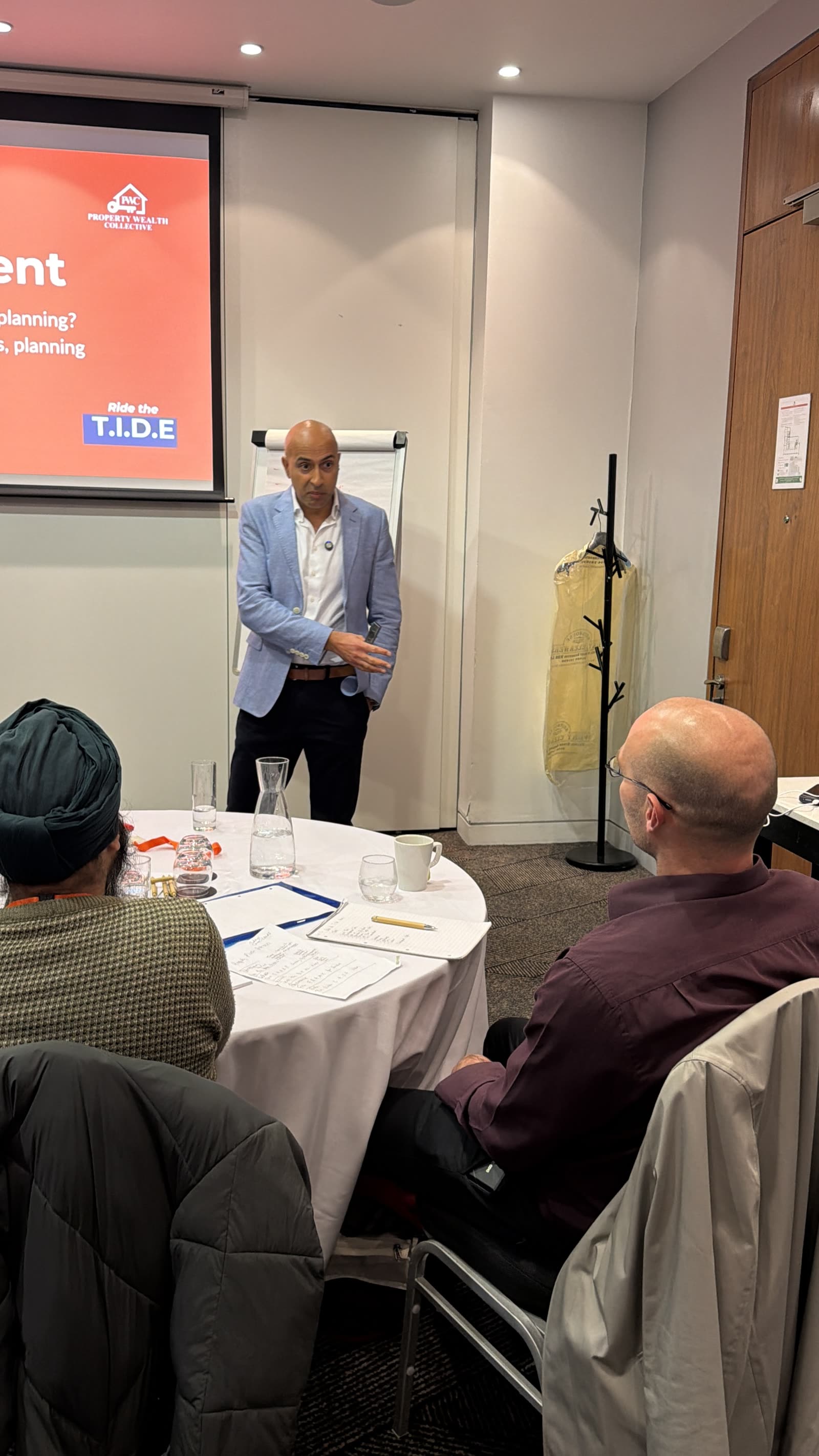
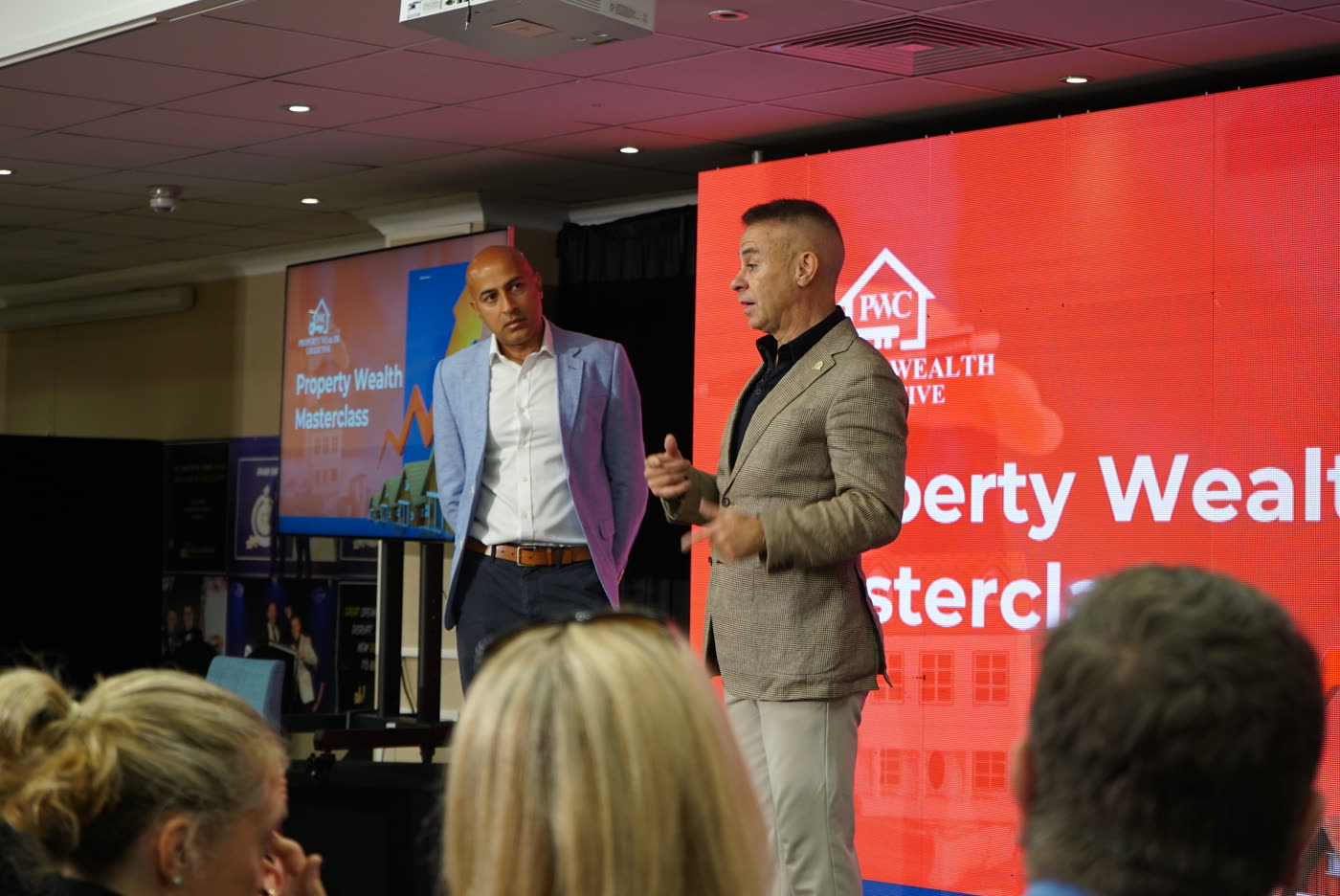
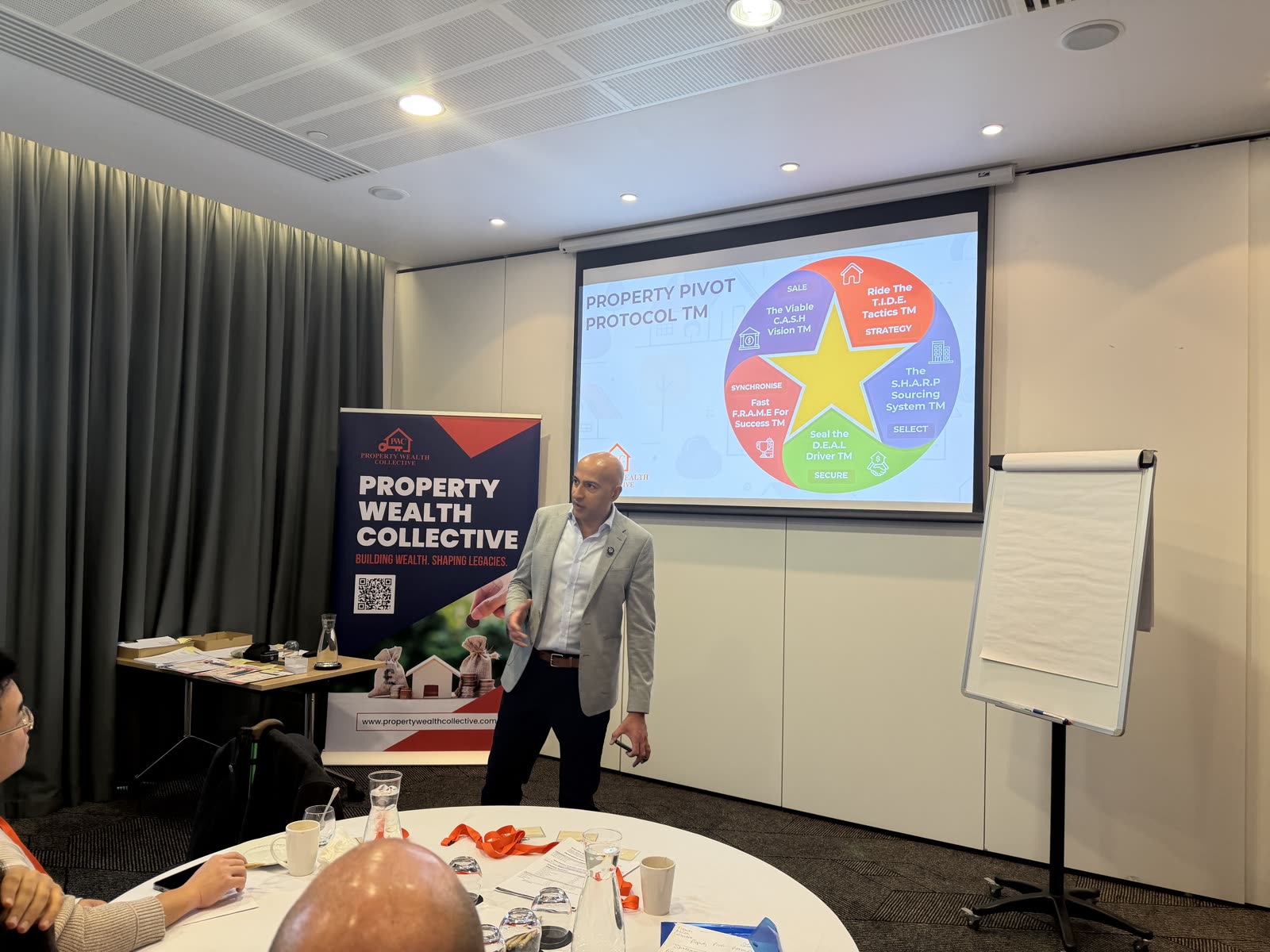
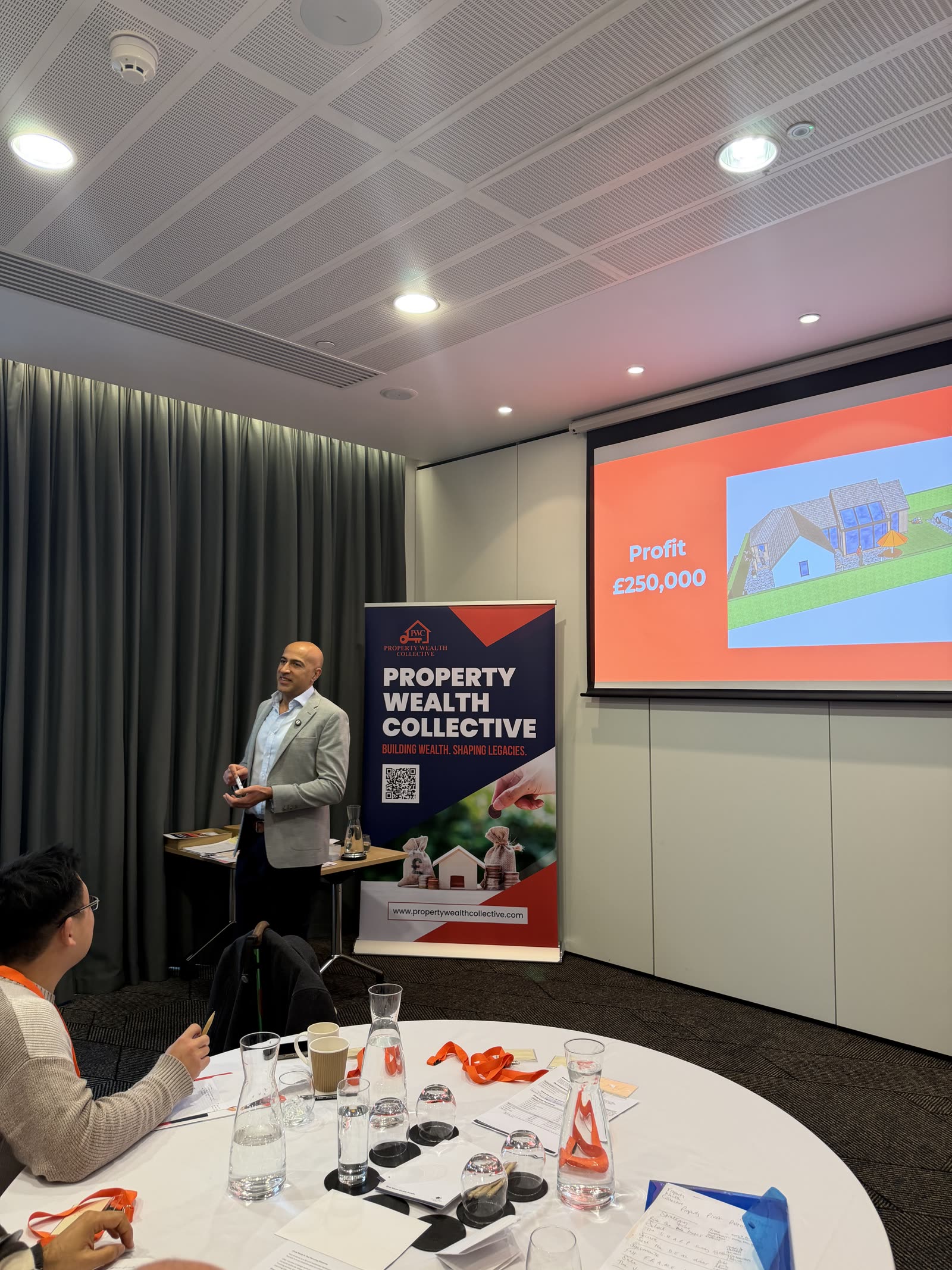
In his own words, it is not a course and it is not a generic programme. It is a structured mentorship, and participation is by application only. Not because it sounds exclusive, but because alignment matters.
Javi has been mentoring for ten years, privately and by referral. The Property Wealth Collective was set up to open that mentorship to the public. It is still capped at twelve mentees at a time, and you work with Javi himself, not an assistant.
“From effort to leverage. From activity to intention. From reacting to designing.”Speak to the team
The Property Pivot Protocol is not a promise of easy success. It is a framework for sustainable progress.